

For most home users, mats are usually easier to store and move, while panels are usually easier to position for repeatable targeted sessions. The better choice depends less on the light itself and more on how much space you have, which body areas you treat, and how often you want to set the device up and put it away.
If you have ever looked at a rigid panel and thought, “Where would this live when I am not using it?” or unrolled a mat and realized it needs more floor space than expected, the form factor is already shaping your routine. Home-use photobiomodulation research has focused heavily on treatment area, ease of use, and safe at-home design, which makes storage and setup friction more than a convenience issue. This guide will show you which format is easier to live with, which one becomes inconvenient faster, and what setup constraints matter before you buy.
Why Storage and Portability Matter More Than Buyers Expect

A home device is only useful if you will actually use it consistently, and home-use photobiomodulation device design is closely tied to treatment area and practical setup. In real homes, that means a panel that stays assembled in a corner may get used more often than a mat that has to be rolled out across the floor every session, even if the mat covers more of the body at once.
The reverse is also true. A mat that slides under a bed or into a closet often fits apartment living better than a rigid panel with a stand, hanging kit, or dedicated shelf space. For buyers doing recovery, skincare, or full-body wellness routines at home, storage is not a side issue. It directly affects whether the device stays accessible, whether cords stay protected, and whether setup feels simple enough to repeat several times a week.
The practical decision point
Most buyers are really choosing between two living arrangements:
Format |
What it does well |
Where it becomes inconvenient |
Best fit for |
Setup constraint to check first |
Panel |
Fast targeted sessions, upright positioning, repeatable distance from skin |
Harder to hide, bulkier to relocate, needs stable placement |
Face, neck, joints, back, spot treatment routines |
Wall, stand, or counter space |
Mat |
Compact storage when rolled or folded, broad body coverage, easy multi-room use |
Needs flat floor or bed space for sessions, can take longer to spread out |
Reclined recovery, larger body areas, full-body routines |
Available flat surface during use |
Panels Usually Win for Positioning, Mats Usually Win for Compact Storage

Panels are rigid by design, which is their main strength and their main storage drawback. They are easy to set on a stand, mount, or lean in a fixed position, so you can repeat the same face, shoulder, knee, or back setup without much guesswork. That matters if you care about routine consistency, because clinical home LED studies typically depend on controlled, repeatable use rather than casual, constantly changing placement.
Mats usually store more compactly because they can be rolled, folded, or laid flat in places where a panel simply will not fit. In a small apartment, that can mean the difference between keeping the device under a bed versus leaving it visible in a bedroom corner. The trade-off is that a mat claims less storage volume when put away, but more usable surface area when deployed. If your routine depends on a clear section of bed, couch, or floor every time, that convenience can disappear quickly.
Small-space reality check
In practice, panels work best when they have a semi-permanent home. A panel on a desktop, dresser, or rolling stand is straightforward. A panel that must be carried out of a closet, plugged in, angled correctly, then returned after each session feels much less portable than it sounds on paper.
Mats are better when your storage problem is vertical clutter, not temporary floor space. Rolling a mat into a closet or sliding it under a bed is easy. Living with a mat becomes harder when the room is busy, the floor is crowded, or you do not want to lie down for every treatment.
Portability Depends on Whether You Mean Moving Rooms or Leaving Home
Many buyers use “portable” to mean lightweight, but home wellness portability usually has two separate meanings: easy to move around the house and realistic to pack away. Those are not the same thing. A panel may move from a bathroom counter to a bedroom desk without much effort, but its shape, stand, and power cord still make it awkward for closets, cars, or travel. A mat usually handles that second category better because it compresses into a simpler shape.
That said, portability is not just about carrying the device. Home-use design research matters because the more often you move a device, the more cable handling, repeated bending, and setup friction you introduce. A panel is less flexible physically, but often quicker to “place and use.” A mat is more flexible physically, but often slower to “unroll and stage.”
Which format travels better?
If your real use case is moving between the bedroom and living room, a smaller panel can still be the better option because you can set it down and start a session quickly. If your use case is packing the device into a bag, taking it to another house, or stowing it after every use, a mat usually has the advantage.
Use this decision table before you buy:
Portability question |
Panel |
Mat |
Easiest to carry room to room for quick targeted sessions |
Usually better |
Usually acceptable, but bulkier when unrolled |
Easiest to hide after each session |
Usually worse |
Usually better |
Easiest to pack in a car or suitcase-like space |
Usually worse |
Usually better |
Easiest to set up at a precise angle without extra fuss |
Usually better |
Usually worse |
Easiest for reclined full-body use |
Usually worse |
Usually better |
Treatment Style Changes the Storage Tradeoff

The right format depends on what body area you are treating. Home LED studies for facial use and under-eye rejuvenation satisfaction data both reinforce a practical point: targeted home routines are easiest when the device can be positioned predictably and repeated comfortably. That is where panels make sense. If your routine centers on face, neck, scalp, or one sore joint at a time, the storage inconvenience may be worth it because the session itself is simple.
For broader recovery or larger treatment zones, mats make more sense because they cover more of the body without requiring you to aim the device at one area at a time. That can simplify post-workout or end-of-day routines, especially if you prefer lying down anyway. The catch is that the convenience shifts from treatment coverage to room logistics. You gain body-area efficiency, but you lose some freedom to use the device in tight or shared spaces.
Real-world examples
A panel is usually the smoother choice for: - Face and neck skincare at a vanity or bathroom counter - Scalp sessions where you want the light directed at one area - Knee, shoulder, elbow, or lower-back sessions while seated - Users who want short sessions without rearranging furniture
A mat is usually the smoother choice for: - Post-exercise recovery while lying down - Larger body-area routines across the back, legs, or torso - People who want one device for broad home wellness coverage - Users who can dedicate bed or floor space during sessions
Setup Constraints Affect Longevity and Safety

Storage is not just about convenience. It also affects how well the device holds up. Repeatedly bending cords tightly, stuffing a unit into a cramped shelf, or storing a panel where it can tip over creates avoidable wear. That matters because home-use light devices are still electrical products, and adverse event reporting from a regulator for a home red-light device is a reminder that safe handling and sensible use should not be treated casually.
Panels usually need clearance for airflow, cable routing, and a stable base or mount. Mats usually need gentler rolling, a clean flat surface, and attention to how often they are folded at the same points. If you store either device in a hot, damp bathroom cabinet or under heavy items, portability becomes less important than durability risk.
What to check before purchase
Constraint |
Why it matters for panels |
Why it matters for mats |
Power cord path |
Prevents tipping, tugging, and outlet strain |
Prevents repeated sharp bends during roll-up |
Heat clearance |
Important for upright use near walls or fabric |
Important after sessions before tight storage |
Less important if standing or mounted |
Critical because the mat needs bed, couch, or floor space |
|
Weight handling |
Matters if you plan to move it often |
Usually easier, but size still matters when rolled |
Storage style |
Best on stand, shelf, or wall area |
Best under bed, in closet, or flat drawer-like space |
Who Should Choose a Panel and Who Should Choose a Mat?

A panel is the better buy if you want a device that feels ready the moment you set it down. It works especially well for users doing facial, neck, scalp, or joint routines where body positioning matters more than full-body coverage. Scalp-focused light research and other targeted-use home categories support the broader principle that directed treatment is often easier when the light source stays stable relative to the target area.
A mat is the better buy if your priority is compact storage plus larger-area sessions. Buyers in smaller apartments often assume “bigger treatment area” means “harder to store,” but with mats that is not always true. The inconvenience tends to show up during use, not while stored. If you can live with rolling it out and lying down for sessions, the format is often easier to integrate into a closet-based lifestyle.
Quick buyer guide
Choose a panel if: - You mainly treat the face, scalp, or one body area at a time - You want a device that stays semi-permanently set up - You dislike floor-based or reclined sessions - You care more about positioning control than compact storage
Choose a mat if: - You need the smallest storage footprint when not in use - You want broad recovery or larger-area body routines - You are comfortable using the device on a bed or floor - You expect to move or stow the device often
FAQ
Q: Is a red light therapy panel easier to store in a small apartment? A: Usually no, unless you can dedicate a shelf, stand, or wall area to it. In most small apartments, a mat is easier to hide because it can be rolled or folded and stored under a bed or in a closet.
Q: Are mats more portable than panels for travel? A: Usually yes. A mat is typically easier to compress and pack, while a panel is awkward because of its rigid frame and accessories. For simple room-to-room use at home, though, a smaller panel can still feel easier because setup is faster.
Q: Does portability affect how often people actually use the device? A: Yes. Storage friction changes compliance. If a device is annoying to carry, position, unroll, or put away, it is less likely to become part of a repeatable home routine.
Final Takeaway
For most buyers, the decision is straightforward: choose a mat if storage space is your main limitation, and choose a panel if session setup and targeted positioning matter more. Neither format is automatically “better.” The winning device is the one your room layout, treatment style, and daily routine can support without friction.
Action checklist: 1. Measure where the device will live when not in use. 2. Decide whether your sessions are mostly targeted or broad-body. 3. Check whether you have a reliable flat surface for mat sessions. 4. Check whether you have stable upright space for a panel or stand. 5. Think about how often you will move the device between rooms. 6. Look at cord routing, heat clearance, and how the device will be handled after each session. 7. Choose the format that is easiest to use three times a week, not just easiest to imagine on day one.


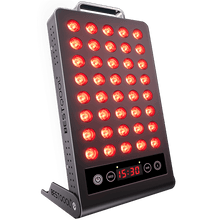
 Small
Small
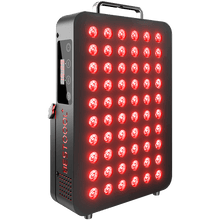
 Moderate
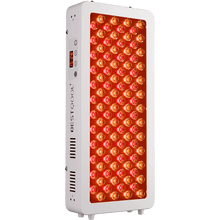
 Moderate

 Moderate
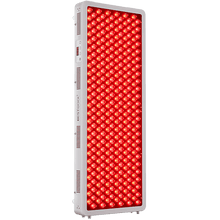
 Full
Full

